1666
On November 10th 1666, Gerdt Störning received a royal letter of privilege signed by King Karl XI, granting him the right to install a blast furnace.


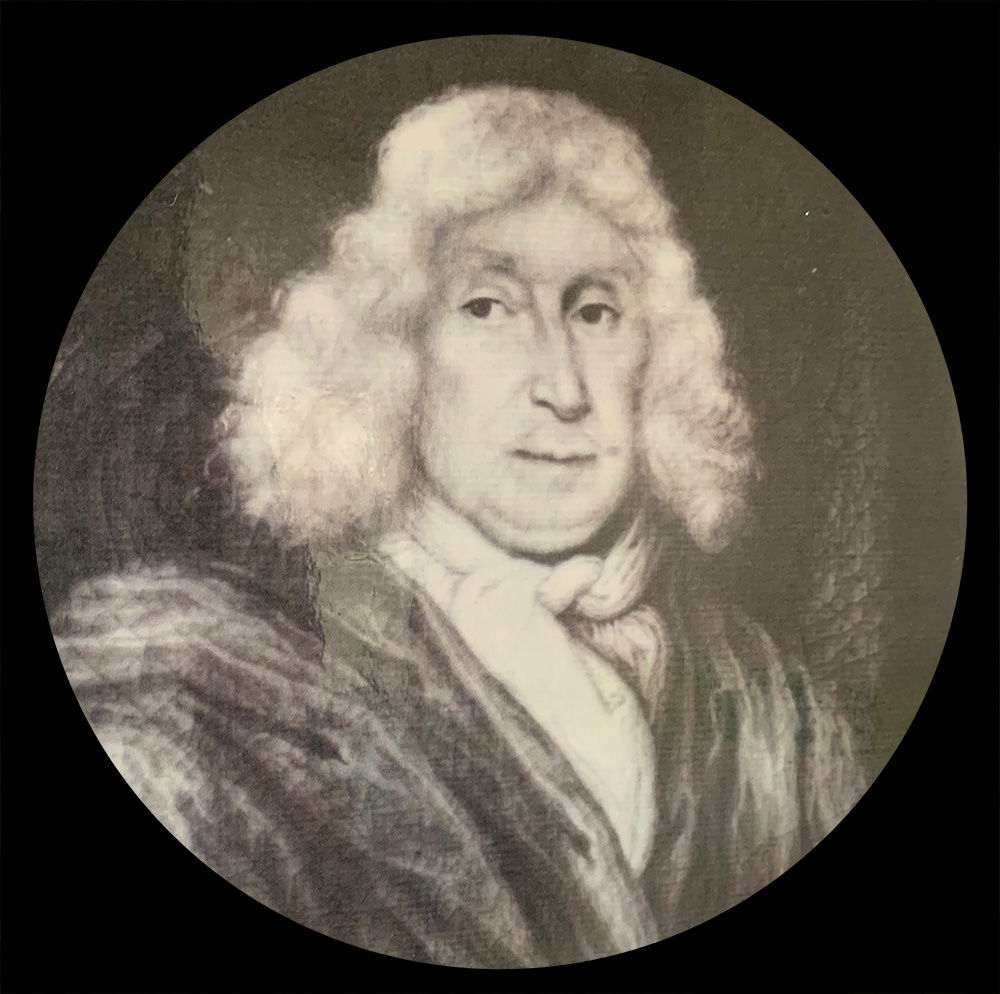
On November 10th 1666, Gerdt Störning received a royal letter of privilege signed by King Karl XI, granting him the right to install a blast furnace.
Stafsjö was granted permission to install a second blast furnace. By the 1680s, the foundry was supplying approximately 70 cannons annually, ranging from 24-pounders to 3-pounders, alongside limited ammunition production.
Stafsjö exported 54 twenty-four-pound cannons to Lisbon, Portugal.
Stafsjö endured several fires throughout its history. In 1719, Russian forces ravaged the Swedish east coast and attacked the foundry on July 30th. Most buildings were destroyed, but the Russian kitchen miraculously survived. It still stands today as a privately-owned historical landmark.
Twenty mortar cannons (in Swedish “mörsare”) were supplied to the Swedish East India Company.
The production of cannons ceased. Following an initial period of adaptation, Stafsjö pivoted to developing new products that would support Sweden’s industrialization.
Valve production began at Stafsjö, starting with gate valves.
The original blast furnace was decommissioned and replaced with a cupola furnace.
A signal cannon was manufactured for the World Expo in Paris. Today, visitors of the Stafsjö Factory Museum (Stafsjö Bruksmuseum) can purchase their own miniature cast-iron replica of this Stafsjö cannon.

A meticulously crafted model of the Stafsjö factory (Stafsjö Bruk) as it appeared in 1914 is now housed in the Stafsjö Factory Museum (Stafsjö Bruksmuseum), located adjacently to the current office building.
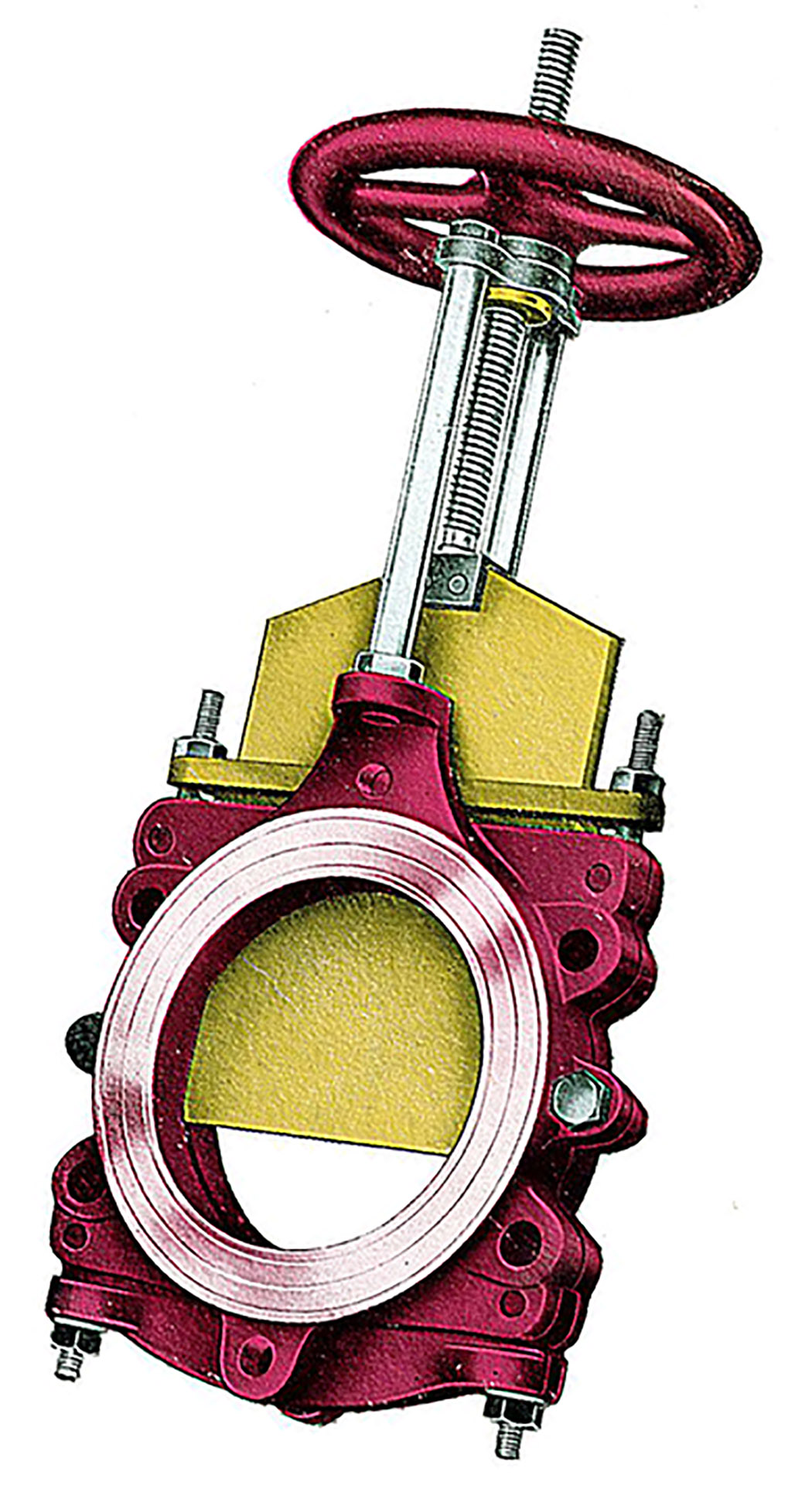
Fredrik Magnus Johannes Canell engineered the first knife gate valve, the Pulp Stock Valve (in Swedish, “Massaventil”), marking a significant technological advancement.
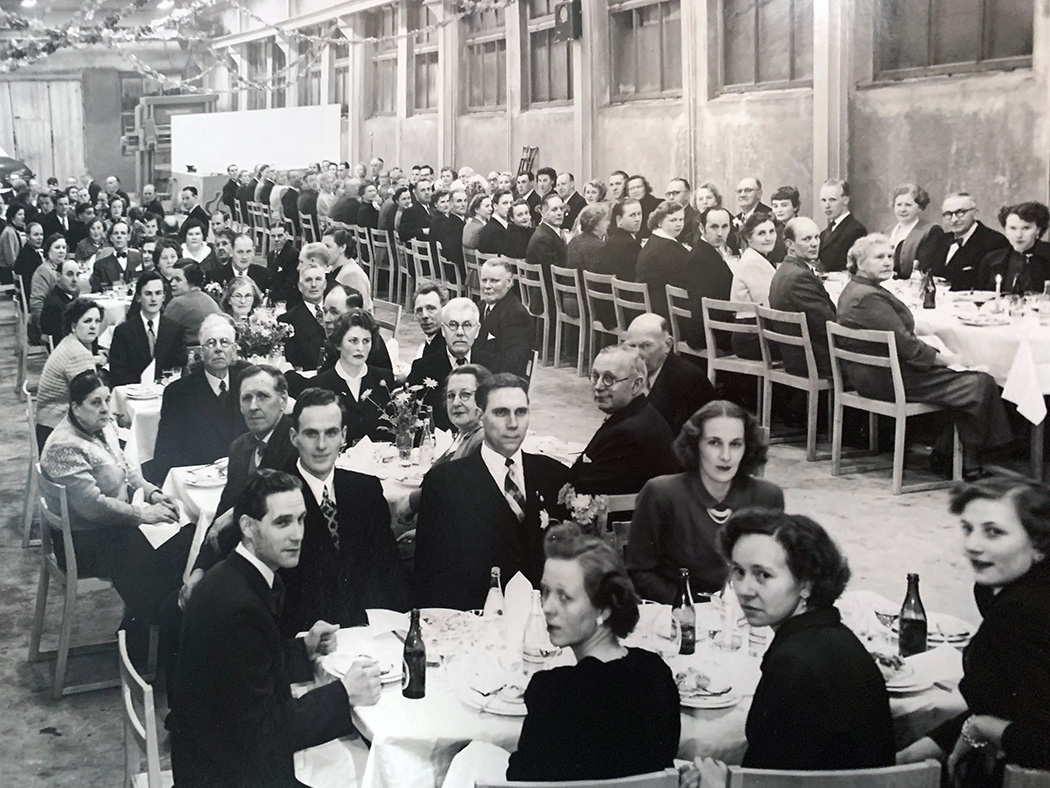
The new workshop was inaugurated with a celebration.
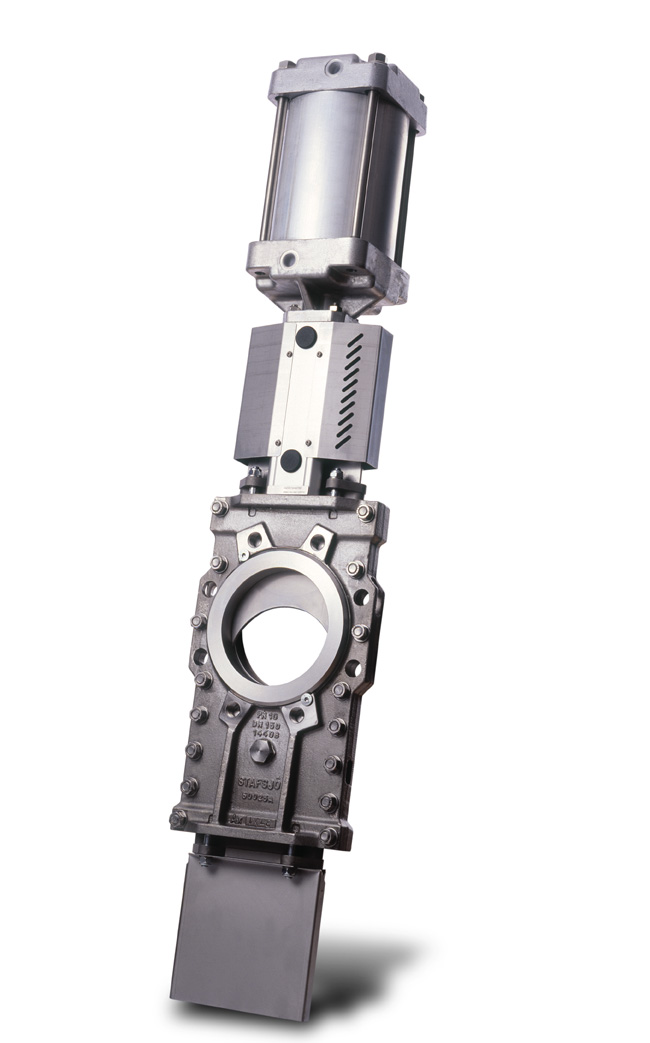
Stafsjö introduced the through-going H2G knife gate valve for high pulp consistency applications, now known as the HG. While the through-going technique had been introduced earlier, this iteration featured the actuator located on the same side as the valve body, a design that became standard.
The Stafsjö foundry era concluded as the cupola furnace was decommissioned.
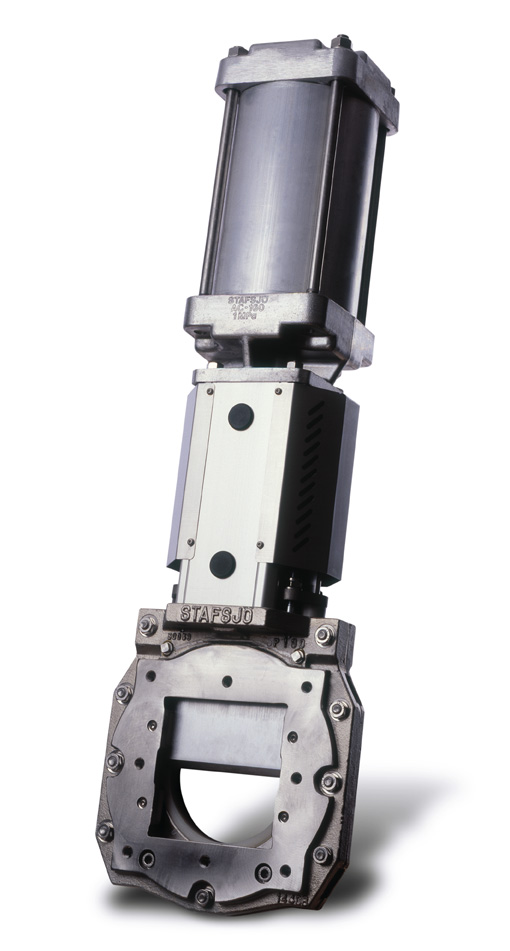
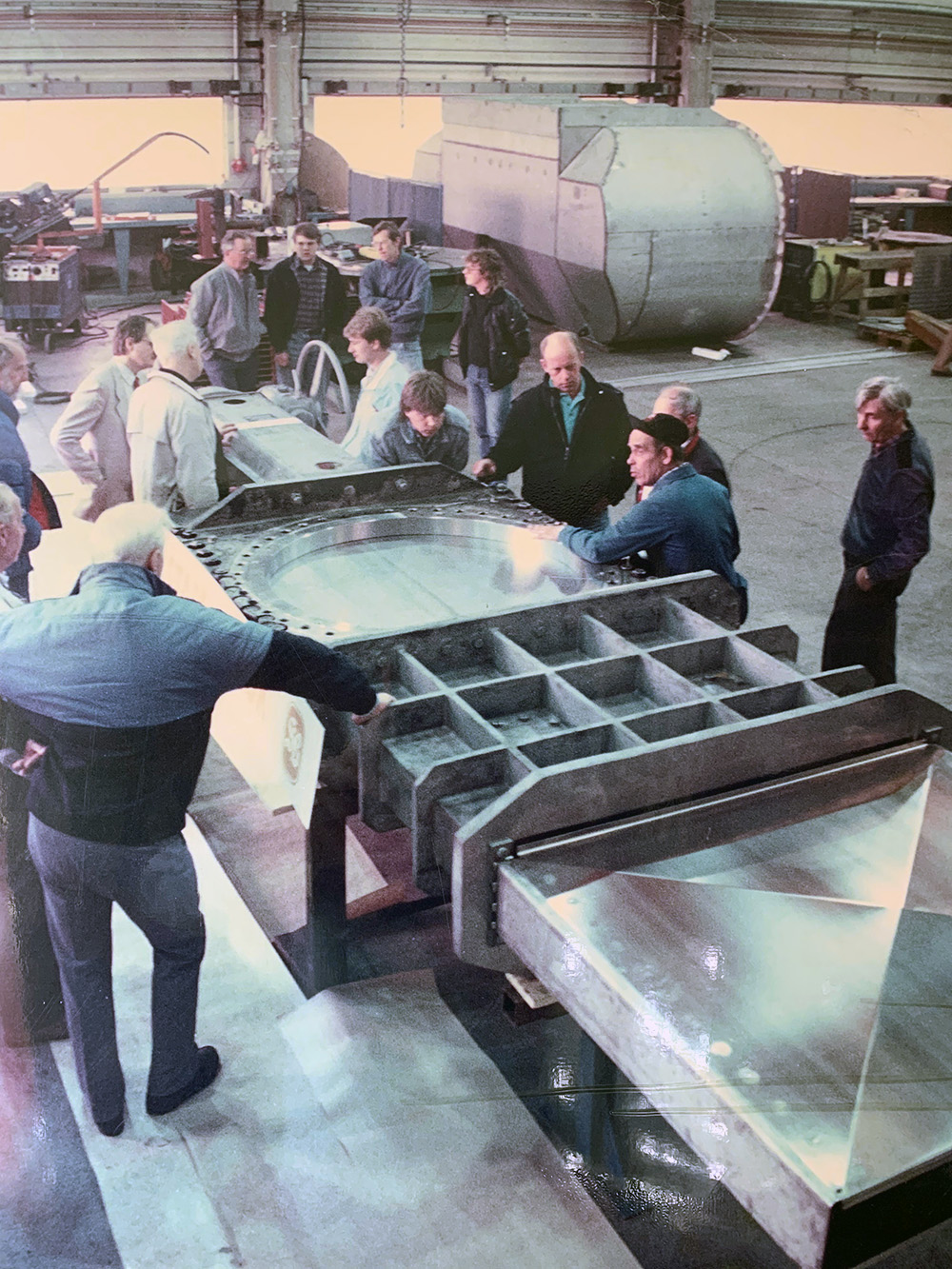
The HG DN 1200, designed to isolate a 60 m high pulp tower at the Procter & Gamble Cellulose mill in Georgia, USA, stood as the largest valve ever manufactured at Stafsjö at the time. Today, valves of this size and larger are produced regularly. The same year, the RKO knife gate valve was introduced, featuring a round bore and square outlet designed for severe junction trap services.
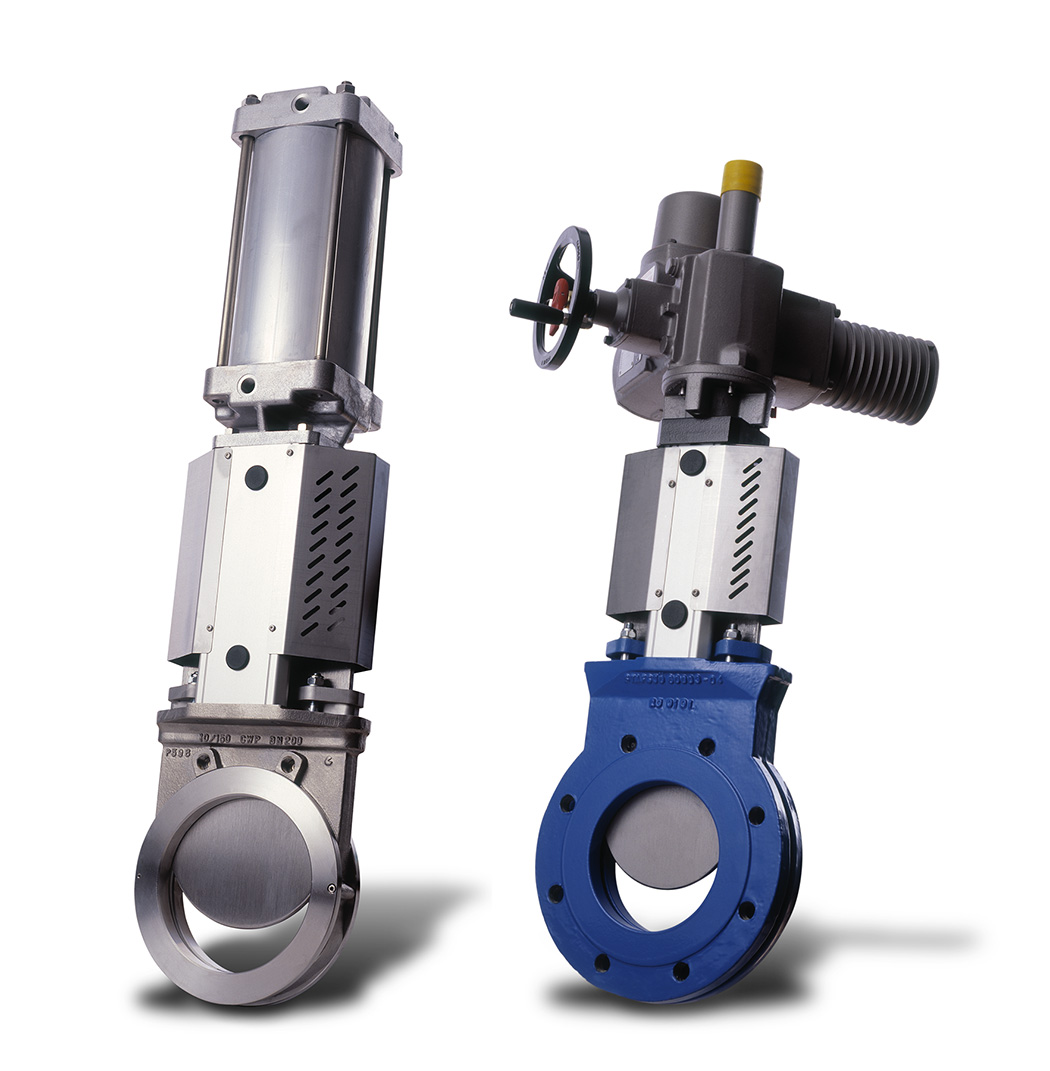
Stafsjö developed the chemical-resistant, bi-directional XV knife gate valve and the fully lugged BV knife gate valve for water and wastewater applications, which would later evolve into the WB14 range. The same year, the D2G double-gate knife valve was developed for special applications requiring rapid stroking, often installed for contaminated media and reject handling.
The family-run firm Bröer acquired Stafsjö Bruk from Beijer Alma Group. The goals set post-acquisition were achieving sustainable economic growth while continuing to invest in research and development.
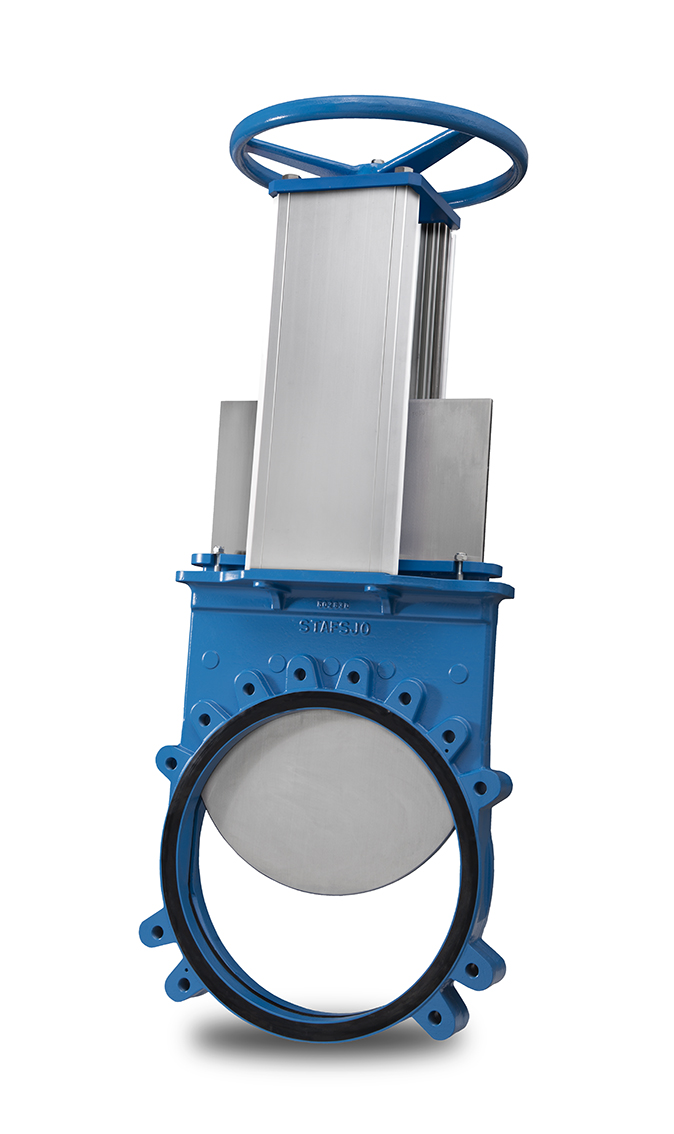
The WB knife gate valve was introduced, specifically designed for wastewater applications and biomass services.
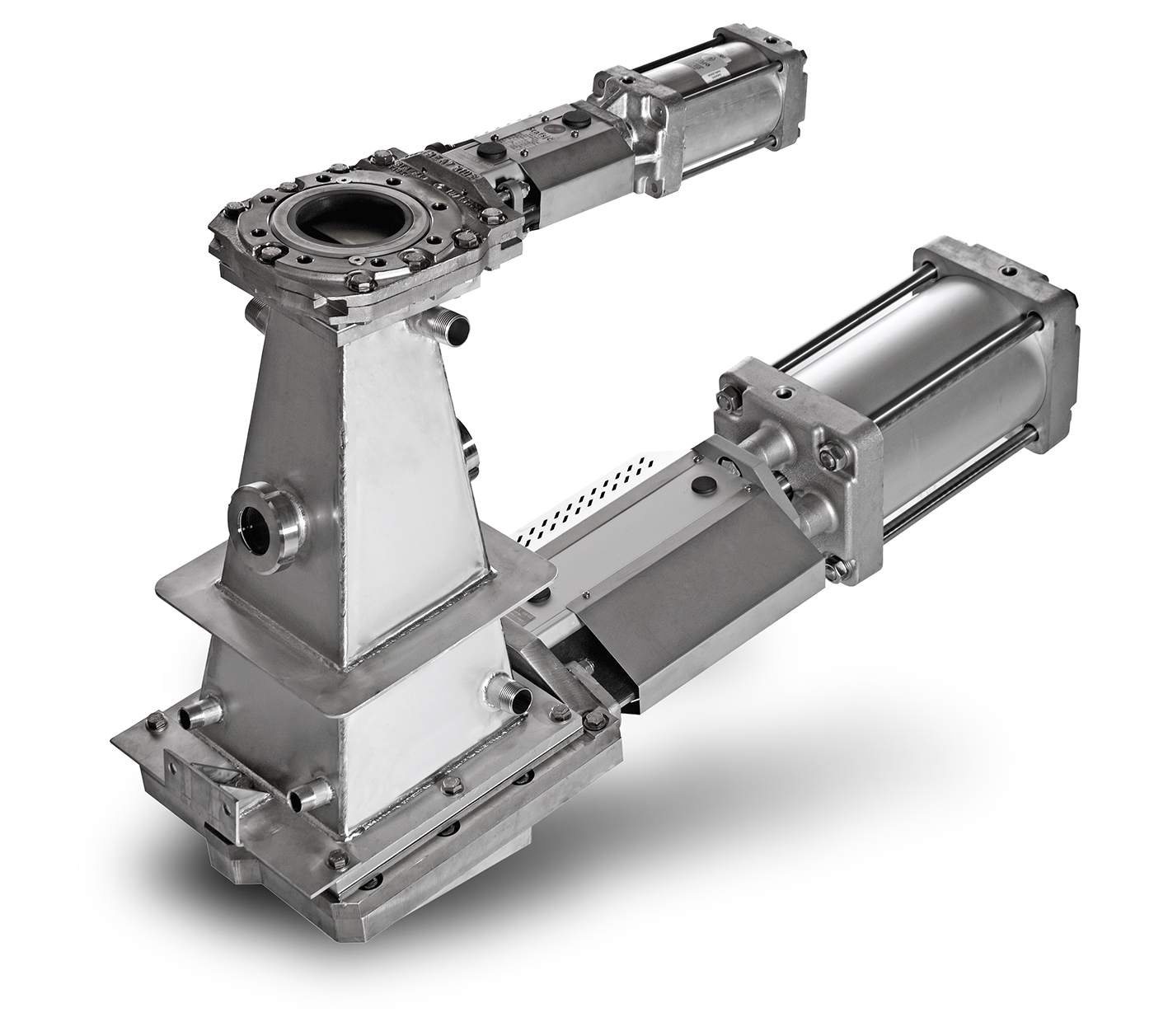
Stafsjö launched a complete Junc Trap solution for tough abrasive reject separation, primarily for HD cleaners in recycled fiber lines. Also in 2007, Stafsjö invested in a new multi-operation Uniport 6000 machine, in order to ensure quality and efficient manufacturing of knife gate valves up to DN 1600 (64”).
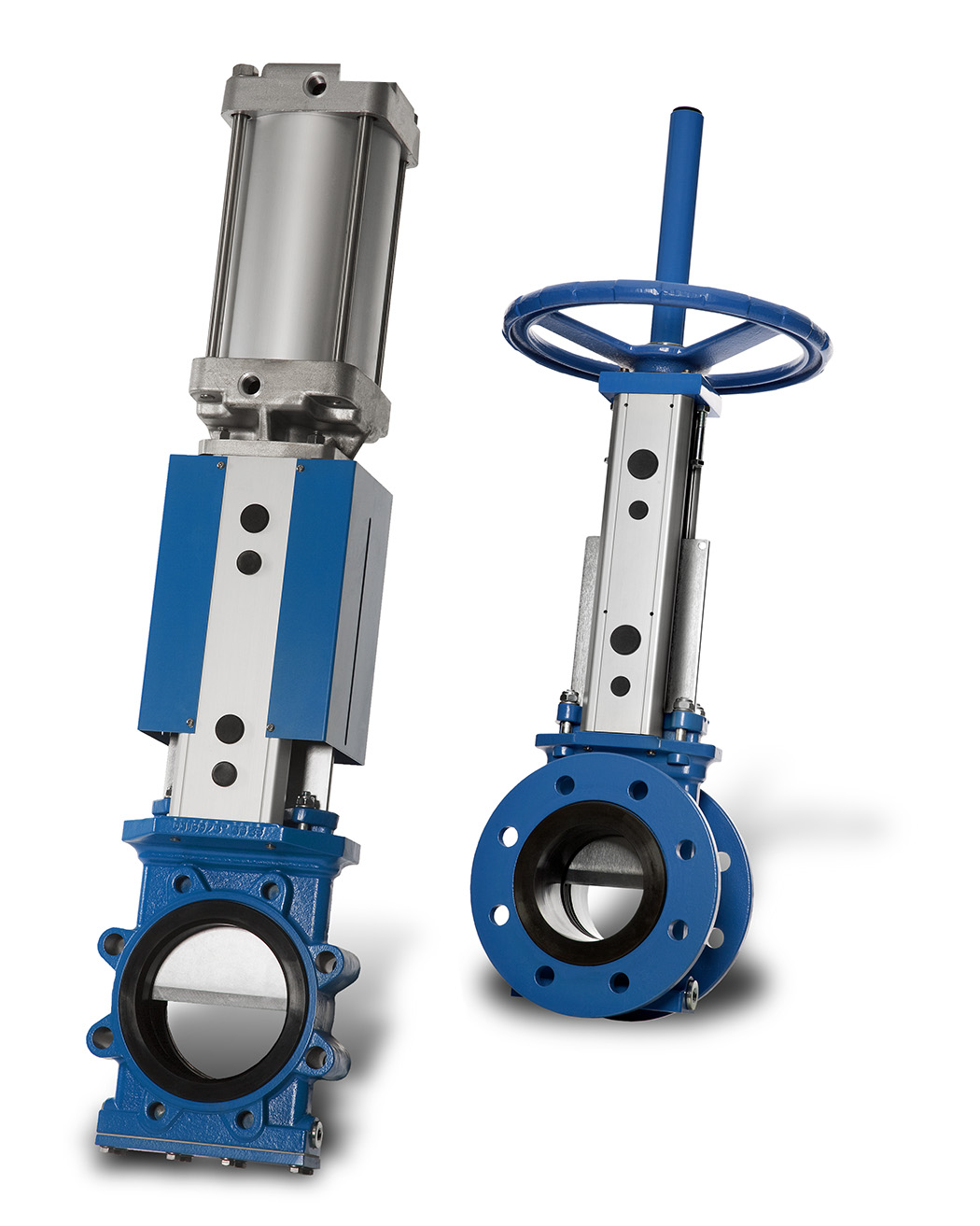
The SLV and SLF flurry knife gate valves were introduced for abrasive and demanding mineral processing applications.
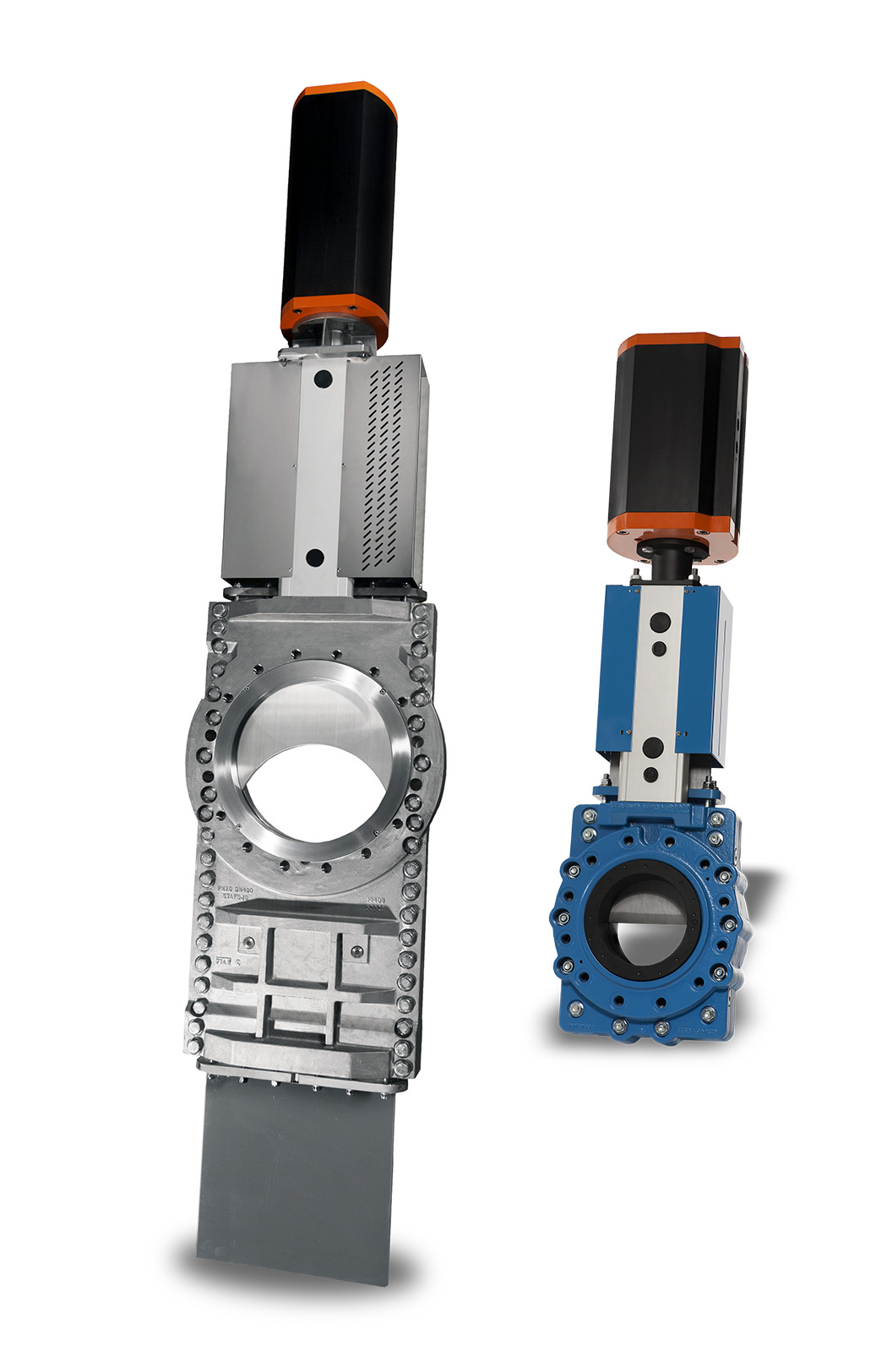
Stafsjö expanded its high-pressure range with the introduction of the through-going HX valve and the push-through slurry valves SLH and SLX.
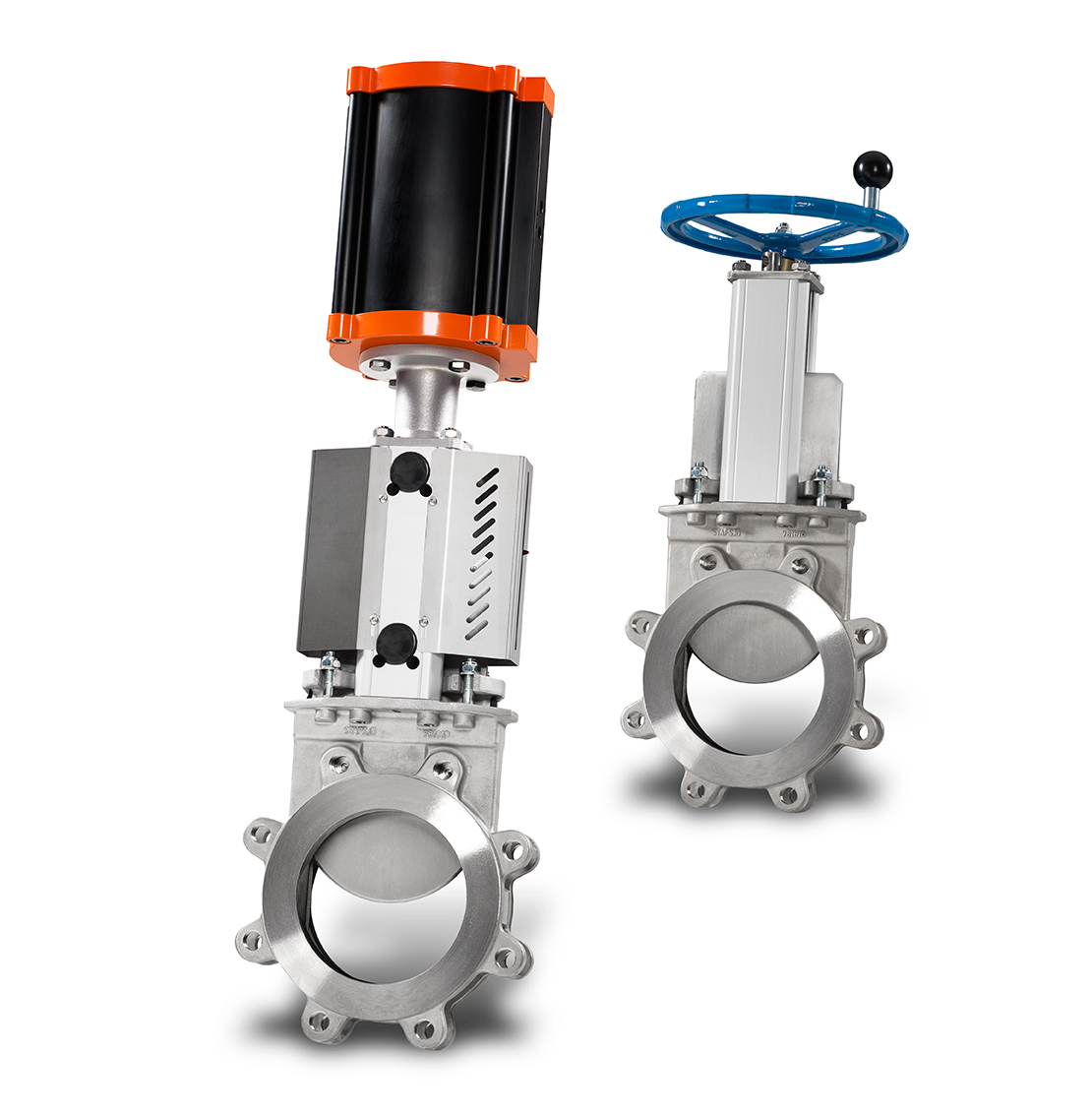
The high-performance WB14E knife gate valve was introduced, offering bi-directional zero-leakage shut-off up to 10 bar/150 psi for sizes up to DN 600 (24”).
Despite the global challenges of the COVID-19 pandemic, Stafsjö maintained a steady on-time delivery performance, achieving an average of 97% for the year. The company also celebrated a record turnover.
Building on the momentum from 2020, Stafsjö shipped 22,700 knife gate valves to process industries worldwide in 2021, despite ongoing pandemic-related challenges. Approximately 9% of these valves remained in Sweden.
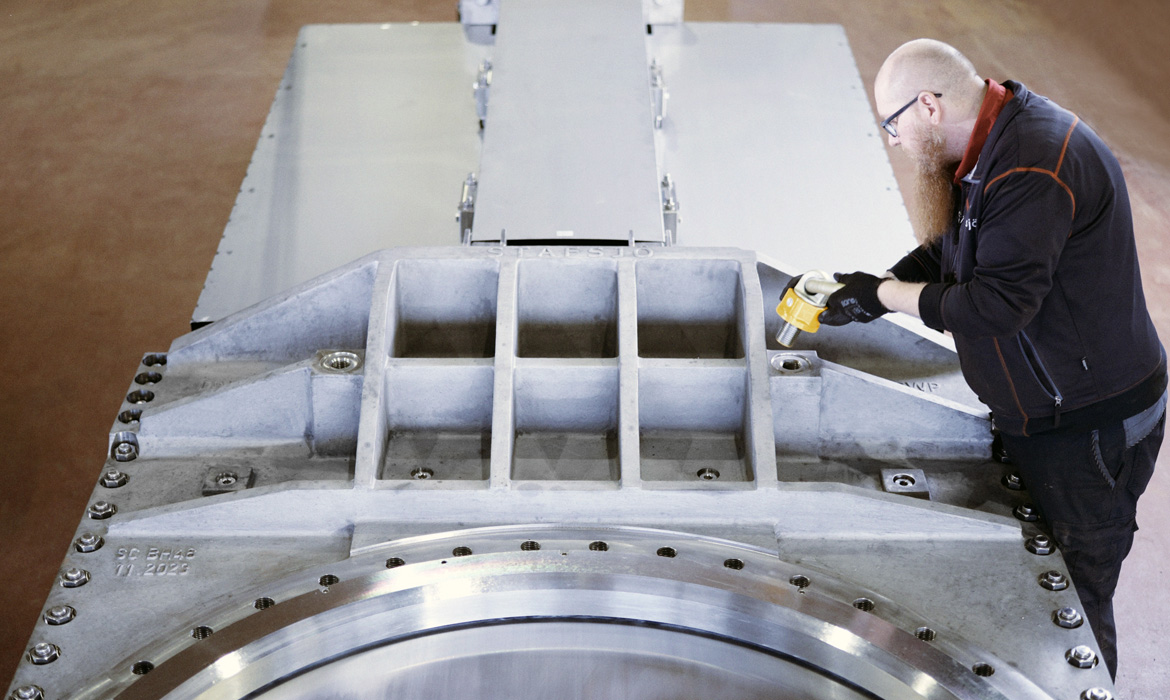
Stafsjö manufactured its largest knife valve to date: a customized MV DN 1800 (72”) shut-off valve designed for unbleached pulp stock tower isolation.
The year concluded with a record number of 25,514 knife gate valves manufactured, a trend expected to continue into 2026.
Marking 360 years of continuous development in 2026, Stafsjö stands on a foundation of centuries of engineering expertise. Today, the company continues to pioneer high-performance knife gate valves that ensure reliability and durability essential for demanding industrial processes around the globe.


